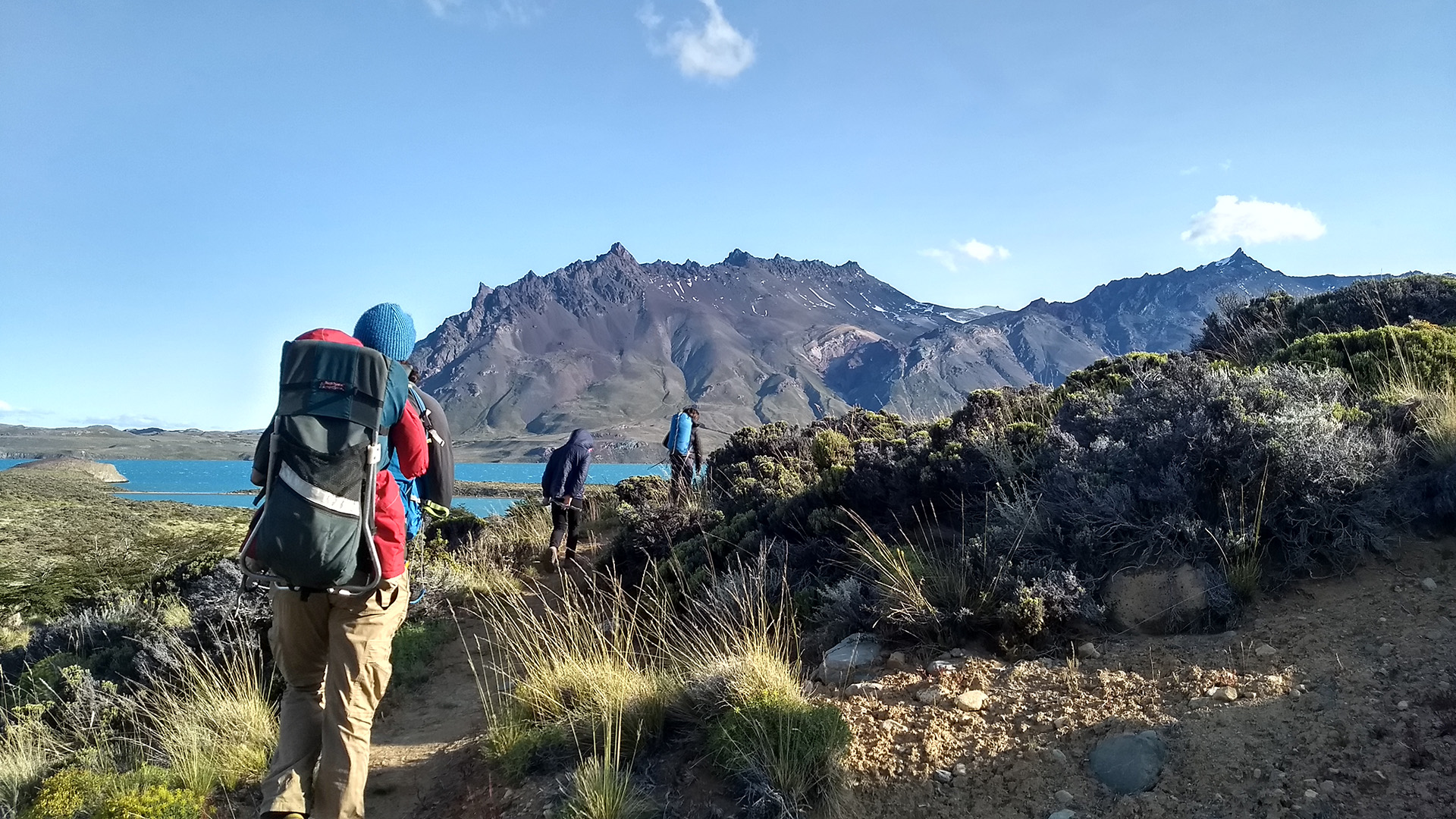
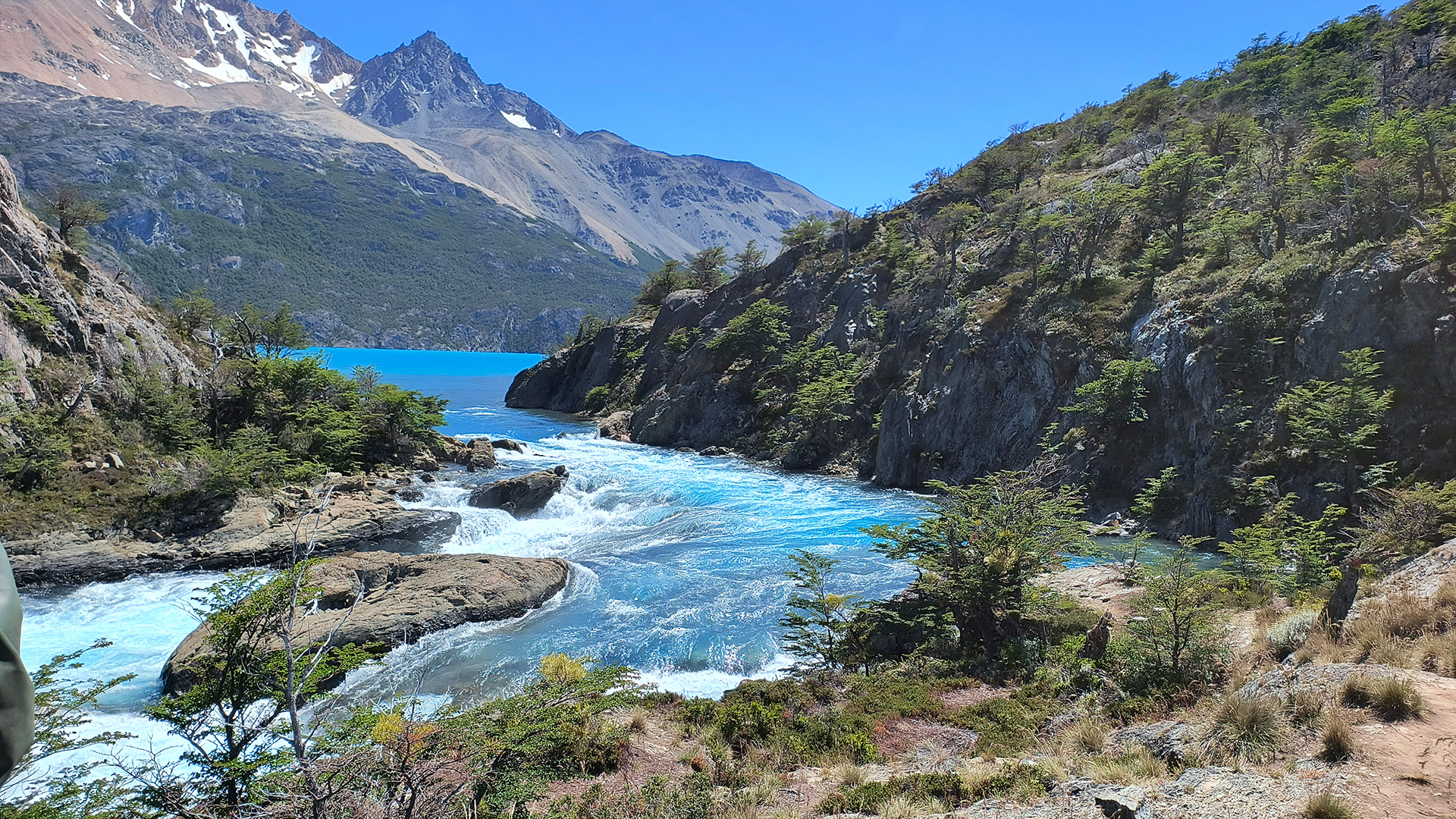
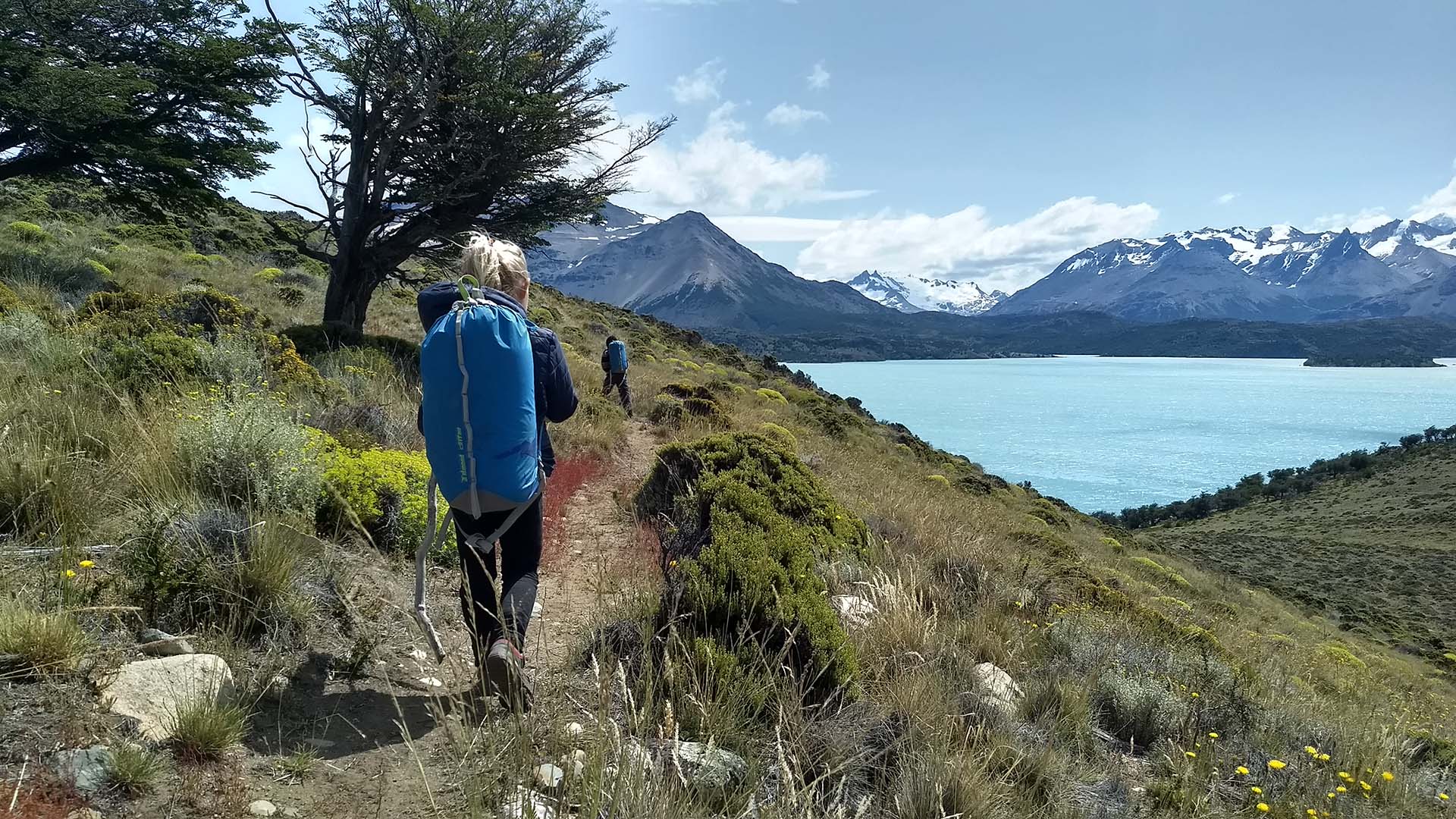
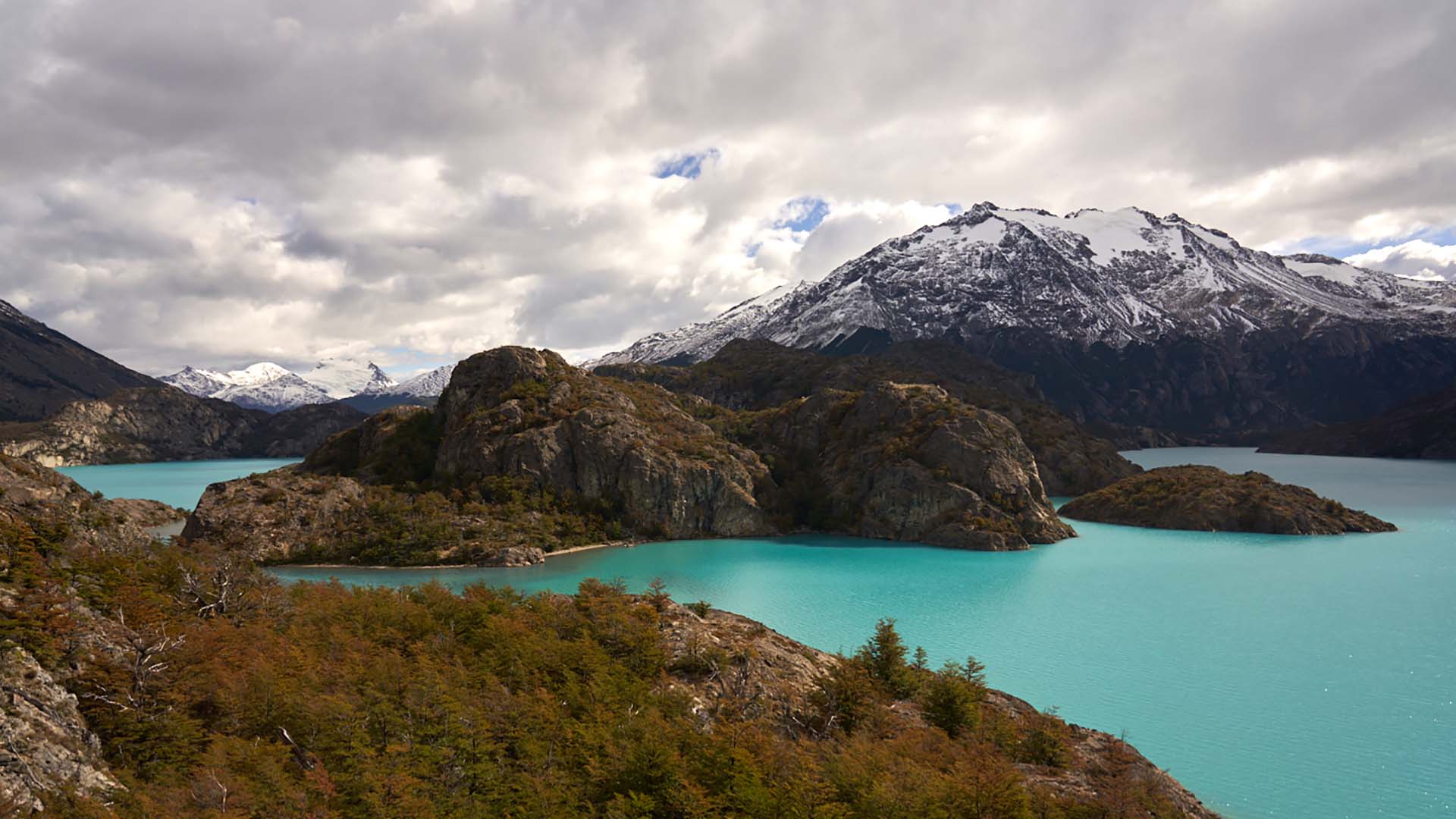
National Park
Perito Moreno
Help care for our national parks
- NO open fires
- NO pets
- Pack out all trash
- Stay on the trails
- Respect flora and fauna
Help care for our national parks
1.1 Staff of the National Parks Administration constitute the highest authority within the jurisdiction of Perito Moreno National Park, pursuant to Law No. 22,351.
Any lack of respect, contempt, or disobedience toward instructions given by such staff shall be considered an infraction and may result in the corresponding sanctions under applicable regulations.
2.1 Visitors are obligated to inform themselves and seek advice regarding precautions, applicable regulations, and restrictions for the use and enjoyment of the National Park before carrying out any activity in the protected area.
2.2 Adults are fully responsible for their children or minors. Young children must always be accompanied and supervised throughout their stay.
2.3 In the event of an emergency, detection of an imminent risk, or presence of fire outbreaks, the visitor must immediately notify National Parks Administration staff.
2.4 It is the visitor's responsibility to fully complete the Mountain Registration Form, which constitutes a sworn statement. The information provided must be truthful and accurate and may not be modified under any circumstances without prior notice to designated public-service staff, who will update the form accordingly within this jurisdiction. In particular, extending one's stay in the Park is not permitted without prior notice and without properly updating the Mountain Registration Form with authorized personnel.
All actions shall be framed within the Perito Moreno National Park Disaster and Emergency Risk Management Plan, currently under development and approval, which will establish response, evacuation, and coordination protocols with competent agencies, in order to ensure the safety of visitors, staff, and the natural environment.
3.1 The Park implements measures to reduce risks to visitors; however, in wild areas of high naturalness it is impossible to guarantee safety due to natural phenomena inherent to ecosystem dynamics. For this reason, only the use of authorized areas and the practice of authorized activities are permitted.
3.2 Precautions on windy days: On days with strong winds, visitors must avoid remaining under trees with dry branches, exposed roots, or leaning trunks, as well as on unstable slopes. Falling branches and rockfalls are frequent natural processes in wild areas, so extreme caution is essential.
3.3 Allergy and pre-existing condition prevention: In wild areas, visitors may be exposed to elements that cause allergic reactions or other health complications. Persons predisposed to allergies or with pre-existing conditions must bring their own medication, assume responsibility for its administration, and ensure its availability throughout their stay in the National Park.
3.4 Presence of Hantavirus – Preventive measures: Although no cases have been recorded in Perito Moreno National Park, the disease is present in areas of Patagonia. It is recommended that you:
3.5 The National Park is located in an area with presence of puma (Puma concolor). If you sight one, you must:
These measures aim to protect visitors' safety while reducing the risk of incidents with wildlife.
3.6 Safety in water bodies: The Park's rivers and lakes have cold, deep waters that pose a risk to visitors' physical integrity. For this reason, there are no areas authorized for recreational activities involving entering the water under any circumstances. Each visitor must take the necessary precautions for their own safety and that of their group.
4.1 Be respectful of others. Everyone has the same right to enjoy the Park's natural environment, and there is enough space for each group to feel comfortable and enjoy it quietly.
4.2 Respect the profile of the service or area you are visiting. It is essential to avoid activities that may generate conflict with others, including situations that put your safety or that of other visitor groups at risk.
4.3 Respect the specific coexistence guidelines of the area where you are located.
5.1 Prohibition of noise pollution: The installation or use of any device or element that generates excessive, strident, or disturbing noise, or that interferes with the natural sounds of the environment, is strictly prohibited.
5.2 Use of audio devices: The use of music players, radios, speakers, or any other sound source must be limited exclusively to personal listening through headphones.
5.3 Under no circumstances is the broadcasting of music or voices through speakers allowed in public areas, camping areas, or huts.
5.4 Safety exceptions: The use of sound amplifiers may only be authorized in exceptional situations linked to duly substantiated safety reasons and under express authorization from the National Parks Administration.
6.1 In the event of conflict or disagreement with another occupant of the area, the visitor must strictly refrain from starting or continuing arguments. In any such situation, visitors are obligated to go immediately to public-service staff or the Park Ranger, who are the only competent authorities to intervene and resolve the issue under applicable regulations.
6.2 If a visitor behaves improperly, affecting others' experience and/or infringing coexistence guidelines and rules, the Park Ranger may reserve the right of admission and stay at the site.
6.3 In the event of any incident, emergency, or situation occurring within the protected area, the visitor must immediately and strictly follow instructions given by Park Ranger Corps staff, as the competent authority. Such staff will instruct and apply the corresponding response protocol, compliance with which is mandatory to ensure personal safety, environmental protection, and public order.
7.1 Visitors must take precautions to safeguard their property and belongings, preventing theft, robbery, or vandalism.
7.2 The National Parks Administration is not responsible for valuables left by visitors in vehicles and/or tents.
7.3 In such situations, visitors must seek a Park Ranger so that the competent authority may be called and act accordingly.
8.1 Visitors have the right to request the complaints and suggestions book, which must be made available upon request. Staff must provide it, record the visitor's details, and within the next 24 hours forward the complaint to the Park Superintendent's Office for action.
8.2 For any conflict that cannot be resolved immediately with area staff, the visitor must contact the highest authority of the National Park by going to the offices of the Park Superintendent. Every complaint or report must be submitted in writing, in accordance with established administrative procedures.
8.3 Maximum capacities established for each service (campgrounds, trails, huts) must be respected.
9.1 The Public Use area of Perito Moreno National Park will be open from October 1 to April 30 of each calendar year.
9.2 Entry hours: Entry hours to Perito Moreno National Park are established as follows: from 08:00 AM to 08:00 PM. Entry outside these hours will not be permitted, in order to ensure visitor safety and proper control of the protected area.
9.3 Entry to circuits and huts: Entry hours to circuits such as Azara or Valle del Río Lácteo will take into account the estimated walking time needed to reach overnight sectors. Accordingly, entry to overnight sectors that are not at trailheads is allowed until 4:00 PM, while the latest departure time will be 6:00 PM. In all cases, visitors must report their departure at the Information Center before the closing time established in the previous point.
9.4 Exception: For huts located at trailheads (Gilberto, Caleta Huala, and René Negro), overnight visitors may enter the trail until 7:00 PM, provided they hold the corresponding reservation and comply with the safety conditions established by this Administration.
9.5 Preventive measures to avoid the spread of Didymosphenia geminata (Didymo):
Upon every entry to Perito Moreno National Park, it is mandatory to disinfect all wading equipment and any other item that may come into contact with water bodies, in accordance with protocols established by the National Parks Administration.
Disinfection must be carried out exclusively at authorized control points, under supervision of authorized National Park staff, ensuring strict compliance with preventive measures.
This provision aims to prevent the introduction and spread of the invasive alga Didymosphenia geminata inside and outside the protected area, preserving the integrity of aquatic ecosystems. Failure to comply with this obligation shall be considered an infraction of applicable regulations.
10.1 Lighting fires is strictly prohibited throughout the National Park, both in public-use areas and in wild sectors. This measure is necessary to prevent forest fires and protect the natural values of the protected area.
10.2 Visitors are requested to use exclusively portable outdoor-type stoves designed for outdoor activities.
10.3 Failure to comply with this provision may result in sanctions under applicable regulations.
10.4 Building campfires is prohibited throughout the jurisdiction of the Protected Area.
10.5 The use of fireworks is not permitted anywhere in the protected area.
10.6 Smoking is strictly prohibited in all grassland, scrubland, trail, enclosed, and other facility areas of the National Park, except in sectors expressly authorized for that purpose.
10.7 This measure aims to prevent forest fires, avoid environmental degradation, and protect the health of visitors and Park staff.
10.8 In sectors authorized for smoking, cigarettes must be fully extinguished and butts taken away for proper disposal, in order to avoid fire outbreaks and environmental pollution. Use of fireproof containers, when available, is mandatory.
11.1 Pursuing, harassing, throwing objects at, or feeding wildlife is not permitted. Observation must be carried out at a safe distance.
11.2 Carrying and using slingshots, air guns, firearms, and any device used to shoot a projectile is prohibited.
11.3 Removing or bringing living or dead organisms into the protected area without the corresponding authorizations and/or supporting permits is prohibited (flora, seeds, fauna, firewood, etc.).
11.4 Playback and placing traps, waterers, or perches to attract wildlife are prohibited.
11.5 Hunting (RESOL) and fishing (Resolution 199/2024) are prohibited throughout the jurisdiction of Perito Moreno National Park.
11.6 If a species of special value is sighted (huemul, puma, etc.), do not approach and, if possible, take a photograph and notify the Park Ranger.
11.7 Cutting or damaging vegetation is not permitted. Take only photographs and leave nothing behind except the waste you generated.
12.1 Inscribing on any natural elements (rocks, trees, etc.) or objects (signs, tables, etc.) is prohibited.
13.1 Only firewood provided by the Administration for huts may be used. The following are prohibited:
13.5 Use of firewood in hut wood stoves is permitted only from 8:00 PM onward; daytime use is prohibited. Exceptionally, daytime lighting may be authorized in the event of heavy precipitation (rain or snow) or extremely low temperatures, prioritizing visitor shelter and well-being.
14.1 Users are directly responsible for their waste and must remove it from the protected area.
14.2 During the stay, maintain hygiene (do not leave organic waste) to avoid the presence of rodents and other animals.
14.3 Hygiene waste is considered part of waste and must be treated as such; leaving it discarded or buried is not permitted.
15.1 Defecating in public-use areas or on trails is prohibited.
15.2 In an emergency, dig a hole about 20 cm deep, at least 60 meters from water bodies and watercourses, and bury the waste (without paper).
16.1 Digging ditches, channels, furrows, or holes for any purpose is not permitted.
17.1 For users of trailers, motorhomes, or similar vehicles, handling and dumping of effluent liquids they may contain is prohibited; such liquids must be transported to an appropriate authorized site outside the jurisdiction of the National Park.
18.1 Dumping of salty or boiling liquids, oils, chemical toilet discharge, and evacuation of any toxic element or material that may harm people, the environment, or facilities is prohibited.
19.1 Entry of visitors with dogs, cats, or other pets is prohibited, except for guide dogs assisting visually impaired visitors or persons with disabilities who certify the need to travel with an assistance dog, pursuant to Resolution HD No. 59/12.
20.1 Use of drones or overflights with any type of device is not permitted within the National Park, except under express written authorization. Overflights have direct impacts on wildlife through noise pollution.
21.1 When driving, speed limits must be respected (between 5 and 30 kph on internal roads and 40 kph on the entry road). Drive carefully and attentively to avoid collisions or disturbance of flora and fauna.
21.2 There are areas with potholes, loose gravel, washboard, rocks from landslides, loose animals, etc., so extreme caution is required when driving.
21.3 Motorized vehicle traffic outside roads, tracks, or sites authorized for public vehicular traffic is prohibited, except for official vehicles in the exercise of their duties or those authorized by the Agency (Resolutions HD No. 209/2017 and 615/2018).
21.4 On internal roads and in camping areas, use of ATVs is prohibited except for duly authorized official vehicles.
21.5 Large coaches or buses must inquire about existing restrictions and inform themselves about road difficulties, turning radii, etc.
22.1 Only authorized parking areas may be used.
22.2 Obstructing circulation routes and parking on roads, trails, or vehicle entrances with any type of vehicle is strictly prohibited.
23.1 Camping is allowed only in places established for that purpose, either under the hut modality or camping plots.
23.2 Visitors wishing to use camping areas of Perito Moreno National Park must hold a prior reservation, which will be managed by request sent to the email peritomoreno@apn.gob.ar, or as may be determined in the future regarding service provision, which will be duly communicated. The reservation will be confirmed only upon receipt of the official reply assigning the reservation number and overnight locations according to the size and characteristics of the group. Visitors must respect the organization and location indicated in that communication, following the instructions provided therein.
If you do not have a reservation at the time of entry to the protected area, it will be resolved at the information center subject to availability.
23.3 Stay limit in camping and overnight areas: As a general rule, a maximum of one (1) night stay per registered person or group is established in all overnight areas of Perito Moreno National Park (huts, camping areas). The only exceptions to this rule are:
23.4 The latest time to vacate the assigned hut and/or plot is 11:00 AM on the day assigned for the visitor's departure according to the reservation, except for exceptions due to weather contingencies.
23.5 Situations involving visitors without reservations will only be handled if accommodation is available at one of the overnight sites in the protected area. Interested parties must register at the “Guardaparque Ceferino Fonzo” information office.
23.6 Vehicles must be parked in the areas indicated for that purpose. Washing any type of vehicle within Perito Moreno National Park is prohibited.
23.7 The vehicle engine may not remain running for more than 3 minutes.
23.8 For lighting, use camping lanterns or flashlights; vehicle headlights may not be used for illumination.
23.9 Motorhomes, trailers, vehicles adapted as camping trailers, or similar must be placed in the sector defined for that type of use, as indicated by protected-area staff. Leaving them permanently in the area is strictly prohibited; visitors must leave with the vehicle.
23.10 Use and/or dumping of soaps, detergents, bleach, toothpaste, or other chemical products—whether for personal hygiene or for washing dishes or clothing—in watercourses or bodies of water, as well as on the ground within the National Park, is strictly prohibited.
23.11 At the end of the stay, Park staff may inspect the condition of the assigned plot and/or hut, which must be in the same physical and cleanliness condition as when assigned upon arrival; otherwise, charges may be made for damage caused and/or the corresponding Infraction Reports may be issued or ordered.
24.1 Travel is only permitted on authorized trails when they are in “Open” condition, according to the criteria of Perito Moreno National Park staff. Creating alternative paths is discouraged, as in addition to causing erosion problems they may disorient other visitors.
24.2 It is the visitor's responsibility to inform themselves and register for trail use before hiking, regarding use guidelines and whether trails are open or not. Such registration is mandatory.
24.3 Established deadline times for starting or returning from each trail must be respected. Consider travel times and always hike in daylight.
24.4 It is advisable to always inform a third party where you will hike and the estimated return time.
24.5 In the event of weather alerts or for safety reasons, trails will remain closed, and visitors must inquire about which circuits they may undertake.
24.6 It is recommended that recreational activities be carried out with adequate equipment, including a first-aid kit, sunscreen, clothing appropriate to the environment and weather conditions, and suitable hiking footwear. Such footwear should provide ankle support and have a good sole design. Avoid sandals, light sneakers, or shoes with smooth soles.
25.1 Every guide, transport operator, or excursion must be authorized in the Park, displaying the corresponding credential or sticker.
25.2 Every organized group must be authorized for entry and stay as regulated in the National Park. Inquire before arriving at the Park. An organized group is understood as: “any group and/or contingent from public or private entities that comes to the National Park to carry out tourist and/or recreational activities for social, sports, cultural and/or educational purposes such as camping, trekking, walks, land excursions, cycling, etc.”
25.3 Anyone wishing to provide a service or offer a product must inquire at the Park Superintendent's Office and, if necessary, become authorized as a Park concessionaire, as well as inform themselves about and respect circulation and access restrictions to certain places.
26.1 Bicycle use is limited to internal vehicular roads of the protected area; use on pedestrian trails is prohibited. Safety measures to minimize harm are important: use of a helmet and reflective elements that allow detection at night or in suspended dust.
27.1 Those carried out for commercial and/or advertising purposes must be authorized in writing and comply with the specific regulations.
27.2 Inquiry must be made before carrying out any type of activity that is not expressly authorized.
28.1 Any recreational activity involving water bodies (fishing, swimming, kayaking) is strictly prohibited.